

The Birth of a Legend
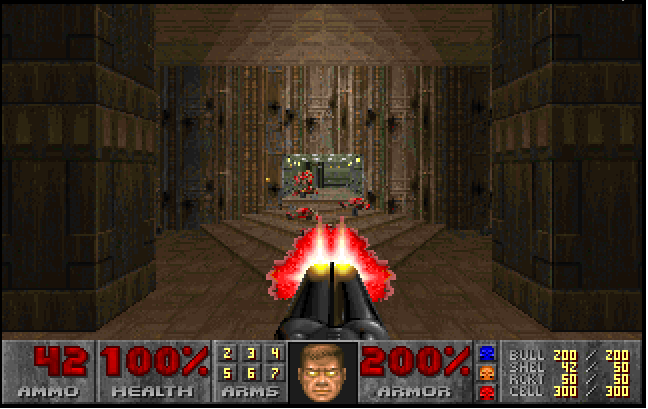
In the early 1990s, the video game industry was on the cusp of a revolution and at the heart of this transformation was a game that would come to redefine the genre of first-person shooters: Doom. Created by id Software a small but fiercely innovative game development studio Doom was released December 10, 1993. The game was the brainchild of John Carmack and John Romero, whose pioneering work in the field of 3D graphics and game design laid the foundation for Doom’s unprecedented success.
Innovative Gameplay and Graphics.
Doom shattered the conventions of its time with its fast-paced, visceral gameplay and groundbreaking graphics. Utilizing a pseudo-3D engine, the game brought to life a hellish world filled with demonic creatures and relentless action. Players took on the role of an unnamed space marine, simply known as “Doomguy” who battles hordes of demons unleased from the depths of Hell on the moons of Mars.
The gamers innovative use of lighting, texture mapping, and level design created an immersive experience that was unlike anything gamers had seen before. Doom also introduced multiplayer deathmatches, allowing players to compete against each other in a networked environment, a feature that would become a staple in future first-person shooters.

A Cultural Phenomenon
Doom was more than just a game; it was a cultural phenomenon. The shareware distribution model allowed players to download the first episode for free, which led to widespread dissemination and ever-growing fan base. By word of mouth and through bulletin board systems, Doom quickly spread across the globe, captivating players with its intense action and addictive gameplay.
The game’s impact extended beyond the realm of entertainment. Dooms modding community flourished, with players creating custom levels, enemies and even entirely new games using the Doom engine. This spirit of creativity and community contribution fostered a new era of user-generated content in gaming.
Sequels and Evolution
The success of Doom inevitable led to sequels that expanded and evolved the franchise. Doom II: Hell on Earth was released in 1994, brining new levels, enemies, and weapons to the fray while retaining the core gameplay that made its predecessor a hit. The game further solidified Doom’s status as a cornerstone of the first-person shooter genre.
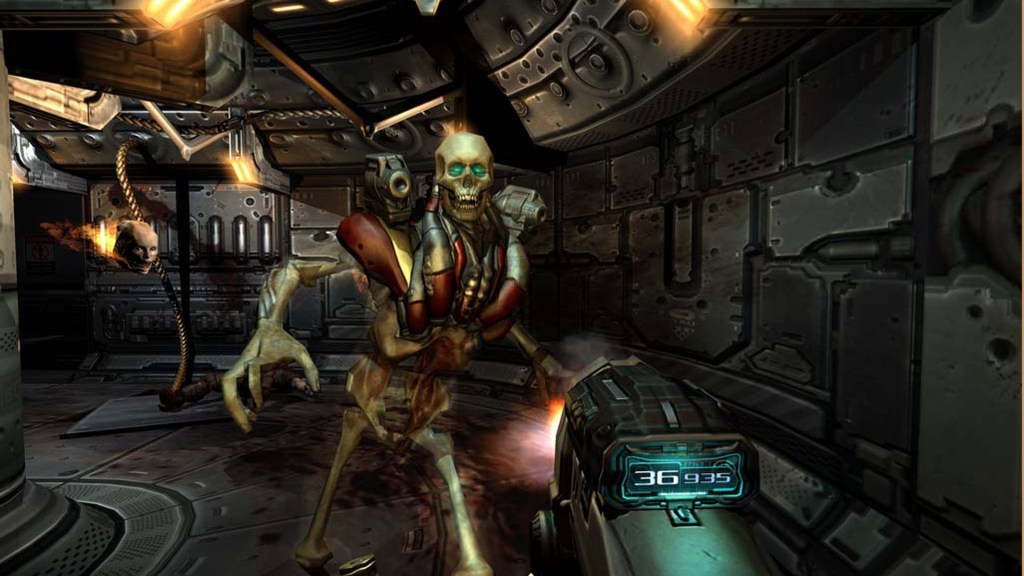
As technology advanced, so did the Doom series. In 2004 Doom 3 was released, offering a reimagined experience with cutting-edge graphics and a more narrative-driven approach. The game also moved to a more horror themed atmosphere, immersing players in a dark and terrifying rendition of the original’s demonic invasion.
The Rebirth of Doom
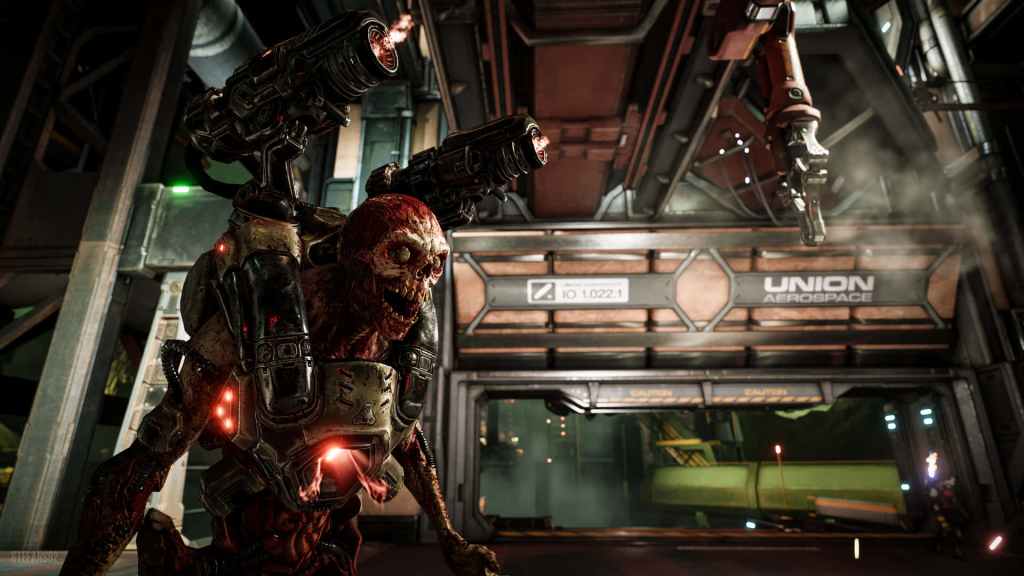
After many years of anticipation, the Doom franchise experience a triumphant resurgence with the release of Doom (2016). Developed by id Software and published by Bethesda Softworks, the game was a return to form, capturing the essence of the original while introducing modern gameplay mechanics. Doom (2016) was lauded for its fast-paced combat, fluid movement, and brutal executions, affectionately known as “glory kills,” which added a visceral layer to the experience.
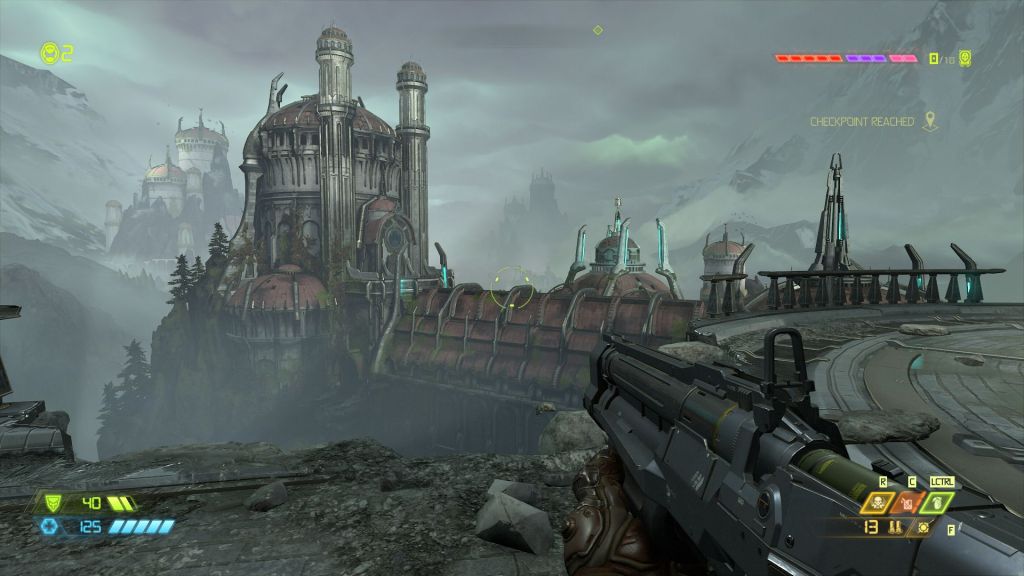
The game’s success was followed by Doom Eternal in 2020, which built upon its predecessor’s foundations with even more frenetic action, intricate level design, and a deeper exploration of the Doom universe. Doom Eternal introduced new mechanics, such as the grappling hook and the ability to dash, further enhancing the dynamic and relentless combat.
A Lasting Legacy.
The Doom franchise has left an indelible mark on the gaming industry. Its influence can be seen in countless first-person shooters that followed, with emphasis on speed, aggression and fun. Doom’s legacy is not only in its gameplay innovations but also in its ability to reinvent itself to stay relevant.
From its humble beginnings as a shareware phenomenon to its modern incarnation, Doom has consistently pushed the boundaries of what is possible in video games. It has inspired generations of gamers and developers, fostering a legacy of creativity, innovation and unrelenting fun.
As the franchise continues to evolve one thing remains certain: Doom will always be synonymous with the thrill of battling demons, the rush of adrenaline, and the unwavering spirit of the space marine who stands as humanity’s last line of defence against the forces of Hell.
I would like to thank all the modders who have kept Doom alive creating many great episodes that are freely available.
Finally, I would also like to thank John Carmack and John Romero who I know won’t see this little blog post of mine and the others who have worked on Doom from its beginnings and the new team from Doom 2016 and Eternal for creating a brilliant game and my all-time favourite franchise.



 ADEPTUS CRITICUS GAME REVIEWS
Leave a reply to Jitski888 Cancel reply